i-dle Crow Lyrics Romanization Guide: We Made Comeback 2026
i-dle's powerful pre-release single 'Crow' from their We Made EP showcases the group's dark conceptual evolution. Learn the Korean lyrics with full Romanization and English meanings.
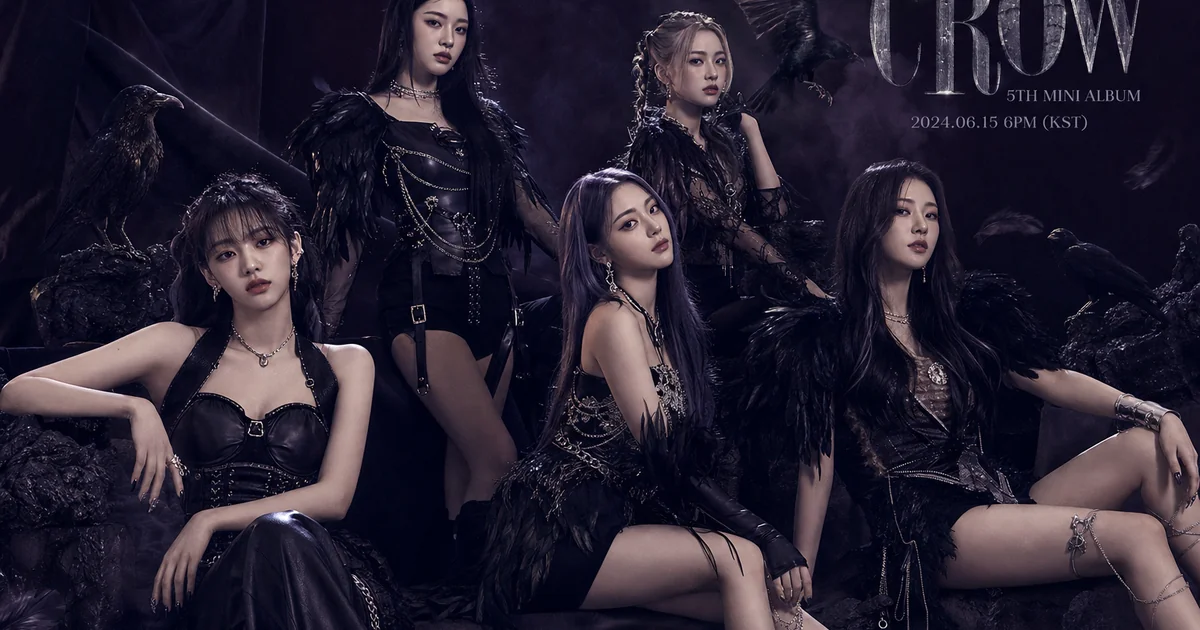
i-dle's powerful pre-release single "Crow" from their We Made EP showcases the group's dark conceptual evolution. Released on June 15, 2026, this track marks a bold new chapter for the five-member group formerly known as (G)I-DLE. The song blends haunting melodies with intense rap verses, creating an atmospheric soundscape that perfectly complements its crow and transformation imagery. Whether you are learning Korean through K-pop or simply want to sing along with accurate pronunciation, this guide provides the complete Romanized lyrics with line-by-line breakdowns.
About i-dle and the "Crow" Comeback
i-dle has consistently pushed boundaries since their debut under Cube Entertainment. With "Crow," the group embraces darker aesthetics and mature themes that reflect their growth as artists. The track serves as the pre-release single for their ninth mini album "We Made," which dropped on July 6, 2026.
Soyeon, the group's leader and primary producer, crafted "Crow" with a cinematic quality that builds tension throughout. The crow metaphor represents transformation, mystery, and the ability to thrive in darkness. These themes resonate throughout both the lyrics and the haunting music video that accompanied the release.
The song structure alternates between Miyeon and Minnie's ethereal vocals and Soyeon and Yuqi's powerful rap delivery. Shuhua's presence grounds the track with her distinctive tone during the bridge. This dynamic interplay has become i-dle's signature sound, and "Crow" represents perhaps their most polished execution of this formula.
Why Learn Lyrics with Romanization
Romanization bridges the gap between Korean Hangul and English pronunciation, allowing international fans to sing along accurately without learning the Korean alphabet first. While not a substitute for proper language study, Romanization helps you:
- Sing along at concerts and fan events with confidence
- Internalize Korean pronunciation patterns naturally
- Connect more deeply with the emotional delivery of lyrics
- Build vocabulary through repeated exposure to common phrases
For those serious about learning Korean, following Romanized lyrics while listening creates an immersive environment that supplements formal study. You begin recognizing recurring grammatical structures and vocabulary without conscious effort.
i-dle "Crow" Lyrics: Romanization and English Meaning
Verse 1 (Soyeon)
Romanization:
Kkamadeukan bamhaneul wireul nara
Nuguui kkumeul kkwonoko tto naraga
Geurimja soge sumeo nan barami dwae
Neoui gieok soge nama gipeun sangcheoga dwae
English Meaning:
Flying above the dark night sky
Stealing someone's dream and flying away again
Hiding in the shadows, I become the wind
Remaining in your memory, becoming a deep wound
Soyeon's opening verse immediately establishes the crow as a symbolic figure. The imagery of stealing dreams and leaving wounds suggests a complicated relationship with power and consequence. Her rapid-fire delivery emphasizes the urgency and danger in these lines.
Pre-Chorus (Miyeon, Minnie)
Romanization:
Miyeon:
Eodumeul georeoga nan deo gipeun got
Bicheul pihago sipeo nuneul gamneunda
Minnie:
Nareul chajjima nareul chajjima
Yeogin naui wanggyeongiya
English Meaning:
Miyeon:
Walking through darkness to a deeper place
Wanting to avoid the light, I close my eyes
Minnie:
Don't look for me, don't look for me
This is my kingdom
The pre-chorus builds tension through contrasting vocal textures. Miyeon's clear tone cuts through the production while Minnie's slightly breathy delivery creates an intimate, almost threatening atmosphere. The declaration of "my kingdom" asserts independence and territorial boundaries.
Chorus (All)
Romanization:
Kawo, kawo, naneun kawo
Nugudo moreuneun naui jeongche
Nalgae pyeogo naraoreuneun bam
Jageun bicheul chajaseo naraga
English Meaning:
Crow, crow, I am the crow
My true self that no one knows
The night when I spread my wings and soar
Finding the small light and flying away
The chorus repetition of "kawo" (crow) creates an instantly memorable hook. The contrast between darkness and the search for small light suggests hope persisting even in the bleakest circumstances. This duality defines i-dle's conceptual approach.
Verse 2 (Yuqi, Soyeon)
Romanization:
Yuqi:
Heukdaeui kkorireul naege deulgo
Saramdeureun modu nal pihago
Soyeon:
Geureonikka deo jayuropji nan
Nugungaui yoksimi doeeo naraga
English Meaning:
Yuqi:
Holding the black feather to myself
Everyone avoids me
Soyeon:
That's why I'm more free
Becoming someone's greed, I fly away
Yuqi's deeper vocal tone provides perfect contrast to Soyeon's higher rap register. The acceptance of isolation as a source of freedom rather than pain shows emotional maturity in the songwriting. Soyeon's response reframes the crow's outsider status as liberation.
Bridge (Shuhua, Miyeon)
Romanization:
Shuhua:
Nal bomyeon domangchyeo modu domangchyeo
Geureon nareul bogo useojwo
Miyeon:
Kkamadeukan nae ane bichi isseo
Geugeol chajeun geon baro neo
English Meaning:
Shuhua:
Run away when you see me, everyone runs away
Please smile when you see me like that
Miyeon:
There's light inside my darkness
You're the one who found it
The bridge provides emotional release after the intensity of previous sections. Shuhua's vulnerability contrasts with the confident exterior presented earlier. Miyeon's discovery of light within darkness offers a moment of connection and hope.
Final Chorus (All)
Romanization:
Kawo, kawo, naneun kawo
Ijeneun geop eopshi naraga
Kawo, kawo, naneun kawo
Naui naraeuro doraol geoya
English Meaning:
Crow, crow, I am the crow
Now flying without fear
Crow, crow, I am the crow
I will return to my wings
The final chorus shifts from searching to claiming ownership. The crow no longer seeks light but carries it within. This transformation completes the narrative arc from hunted outsider to self-possessed sovereign.
Pronunciation Tips for Singing Along
Several sounds in "Crow" require attention for accurate pronunciation:
Double consonants: Words like "kkamadeukan" (dark) use double consonants that create a tense, explosive sound. Hold the consonant slightly longer than you would in English.
Vowel combinations: Korean diphthongs like "ae" in "nae" (my) and "oe" in "kkorireul" (feather) blend two vowel sounds smoothly. Practice transitioning between the component sounds.
Final consonants: Korean syllables often end with consonants that affect the following syllable. In "barami dwae," the final "m" in "baram" influences how you begin "i."
Rhythm patterns: i-dle's rap sections follow specific rhythmic patterns that differ from spoken Korean. Listen for where Soyeon and Yuqi place emphasis and try to match their flow rather than speaking the words.
The Cultural Significance of Crows in Korean Media
Crows carry complex symbolism in Korean culture and media. Unlike Western associations with death and bad omens, Korean interpretations often emphasize the crow's intelligence, adaptability, and loyalty. The bird appears in numerous folktales as a clever trickster or faithful companion.
In modern K-pop, crow imagery typically represents transformation and duality. The bird exists between worlds, neither fully dark nor light. i-dle uses this symbolism to explore themes of identity, power, and self-acceptance that resonate with their growing international fanbase.
The music video for "Crow" incorporates traditional Korean visual elements alongside modern aesthetics. Costumes reference hanbok silhouettes while color palettes shift between deep blacks and sudden bursts of gold. This visual language reinforces the lyrics' exploration of darkness containing hidden light.
How i-dle's Sound Has Evolved
Comparing "Crow" to earlier i-dle releases reveals significant artistic growth. Their debut track "Latata" established their ability to blend genres, but recent work shows increased confidence in slower, more atmospheric compositions.
The production on "Crow" prioritizes space and texture over density. Each instrumental element serves the emotional narrative rather than competing for attention. This restraint demonstrates the group's trust in their vocal performances and songwriting.
Soyeon's production choices have matured considerably. Where earlier tracks sometimes overwhelmed listeners with rapid changes, "Crow" allows moments to breathe and develop naturally. The result feels more cinematic and emotionally resonant.
Learning Korean Through i-dle's Music
i-dle's discography offers excellent material for Korean language learners. Their lyrics combine accessible vocabulary with poetic expressions that expand your understanding of how Korean works in artistic contexts.
Beginner-friendly elements:
- Repetitive chorus structures reinforce key phrases
- Clear pronunciation from all members aids listening comprehension
- Common grammatical patterns appear throughout their catalog
Intermediate challenges:
- Soyeon's rap verses introduce faster speech patterns
- Idiomatic expressions require cultural context to fully understand
- Wordplay and double meanings reward deeper study
Advanced opportunities:
- Analyzing how lyrics balance formal and informal speech levels
- Understanding regional dialects when members use their native accents
- Recognizing references to Korean literature and history
Other Tracks from We Made to Explore
The full "We Made" EP contains six tracks that showcase different sides of i-dle's artistry:
"We Made" - The title track offers an upbeat contrast to "Crow's" darkness, celebrating the group's journey and fan support.
"Butterfly" - A mid-tempo ballad highlighting Miyeon and Minnie's vocal harmonies with minimal production.
"Trap" - Yuqi and Soyeon dominate this hip-hop influenced track with aggressive energy.
"Memory" - Shuhua takes center stage in this nostalgic piece about childhood and loss.
"Fly High" - The closing track returns to themes of transformation with an inspiring, anthemic quality.
Each song rewards lyric study with different vocabulary sets and emotional registers. Together they form a cohesive narrative about growth, struggle, and ultimate triumph.
Where to Listen and Learn
"Crow" and the full "We Made" EP are available on all major streaming platforms. For the best experience learning lyrics:
- Start by listening without reading to internalize the melody and flow
- Follow along with Romanization while listening to connect sounds with spelling
- Study the English meanings to understand emotional context
- Practice singing sections slowly before attempting full-speed performance
- Record yourself and compare to the original to identify pronunciation gaps
The Lyrical app provides synchronized lyrics with Romanization for i-dle's complete discography, making it easy to study their music systematically.
Frequently Asked Questions
What does the crow symbolize in i-dle's song?
The crow represents transformation, mystery, and finding power in darkness. Unlike negative Western associations, Korean culture often views crows as intelligent and adaptable. i-dle uses this symbolism to explore themes of self-acceptance and claiming independence.
Who produced "Crow" by i-dle?
Soyeon, i-dle's leader, wrote and produced "Crow" along with the majority of the group's discography. Her production style emphasizes cinematic storytelling and dynamic contrasts between vocal and rap sections.
When was "Crow" released?
"Crow" was released as a pre-release single on June 15, 2026, ahead of the full "We Made" EP which dropped on July 6, 2026.
What is the difference between (G)I-DLE and i-dle?
The group officially rebranded from (G)I-DLE to i-dle in 2025, removing the parentheses and "G" to represent their evolution beyond gendered concepts. The pronunciation remains similar: "eye-dle."
How can I learn Korean through K-pop lyrics?
Start with Romanized lyrics to practice pronunciation, then gradually learn Hangul to understand the writing system. Focus on recognizing repeated vocabulary and grammatical patterns. Apps like Lyrical provide synchronized lyrics that make this process easier by showing Romanization alongside natural audio.
What are the hardest Korean sounds for English speakers in "Crow"?
The double consonants in words like "kkamadeukan" and the vowel combinations in "kkorireul" challenge English speakers. The rhythm of rap verses also differs from natural speech patterns, requiring practice to match the flow.